

As a camping tent supplier, I've witnessed firsthand the importance of insect protection in the outdoor camping experience. Insects can quickly turn a peaceful night under the stars into a nightmare of itchy bites and constant swatting. In this blog, I'll delve into what insect protection for a camping tent entails, the various methods available, and why it's a crucial feature for any camping tent.
Understanding the Need for Insect Protection
Camping is all about immersing oneself in nature, but nature comes with its fair share of insects. Mosquitoes, flies, gnats, and other bugs are not only annoying but can also pose health risks. Mosquitoes, for example, are known carriers of diseases such as malaria, dengue fever, and Zika virus. Even in areas where these diseases are not prevalent, mosquito bites can cause itching, swelling, and discomfort. Flies can contaminate food and spread bacteria, while gnats can be a constant nuisance, especially around the face and eyes.
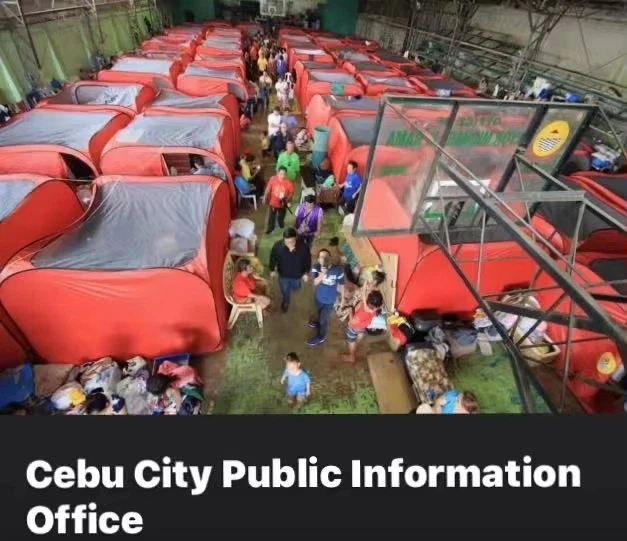

Insect protection in a camping tent serves two main purposes: to keep insects out and to provide a barrier between campers and the bugs. A well - protected tent ensures that campers can enjoy a comfortable and safe night's sleep without being bothered by insects.
Types of Insect Protection in Camping Tents
Mesh Screens
Mesh screens are the most common form of insect protection in camping tents. They are typically made of a fine - woven material that allows air to circulate while keeping insects out. The mesh is usually installed on the tent's windows, doors, and vents. High - quality mesh screens have a tight weave that can prevent even the smallest insects from entering the tent.
When choosing a tent with mesh screens, it's important to consider the mesh size. A smaller mesh size means better insect protection, but it may also reduce airflow. Look for tents with a mesh size of at least 18×16 (18 threads per inch horizontally and 16 threads per inch vertically) for good protection against mosquitoes and other common insects.
Insect - Repellent Treatments
Some camping tents come with insect - repellent treatments. These treatments are applied to the tent fabric during the manufacturing process and work by emitting a chemical that repels insects. The most common insect - repellent chemicals used in tent treatments are permethrin. Permethrin is a synthetic insecticide that is effective against a wide range of insects, including mosquitoes, ticks, and flies.
Insect - repellent treatments can provide an extra layer of protection, especially in areas with a high insect population. However, it's important to note that these treatments may wear off over time, especially with repeated washing and exposure to sunlight. Some people may also have concerns about the potential health effects of using insect - repellent chemicals, so it's a good idea to research the specific treatment used in the tent.
Zippers and Seals
Properly functioning zippers and seals are also essential for insect protection. A tent with a well - designed zipper system can prevent insects from squeezing through the gaps. Look for tents with double - ended zippers and zipper flaps that cover the teeth of the zipper. These features can help to keep insects out and also improve the overall waterproofing of the tent.
In addition to zippers, the seals around the tent's seams and edges should be tight. A tent with well - sealed seams can prevent insects from entering through small holes or gaps. Some tents use a seam - sealing tape or a waterproof coating to ensure a tight seal.
Benefits of Good Insect Protection
Investing in a camping tent with good insect protection offers several benefits.
Comfort
The most obvious benefit is increased comfort. Without the constant annoyance of insects buzzing around and biting, campers can relax and enjoy their time in the tent. A good night's sleep is essential for a successful camping trip, and a well - protected tent can help ensure that campers wake up feeling refreshed.
Health
As mentioned earlier, insects can carry diseases. By keeping insects out of the tent, campers can reduce their risk of contracting insect - borne illnesses. This is especially important in areas where diseases such as malaria or Lyme disease are prevalent.
Durability
Insect protection features such as mesh screens and sealed seams can also contribute to the overall durability of the tent. Mesh screens can prevent insects from chewing on the tent fabric, which can cause damage over time. Sealed seams can help to keep the tent waterproof and protect it from the elements, which can also extend its lifespan.
Our Product Range and Insect Protection
At our company, we understand the importance of insect protection in camping tents. That's why all of our tents are designed with high - quality mesh screens, reliable zippers, and tight seals. We also offer a range of tents with insect - repellent treatments for added protection.
In addition to our camping tents, we also supply other outdoor products such as BBQ Grill Cover, Relief Tent, and Dog Seat Cover. These products are also designed with quality and functionality in mind, ensuring that our customers have a great outdoor experience.
Choosing the Right Camping Tent for Insect Protection
When choosing a camping tent for insect protection, there are several factors to consider.
Location
The location where you plan to camp is an important factor. If you're camping in a wooded area or near a body of water, you're likely to encounter more insects. In these areas, it's a good idea to choose a tent with a smaller mesh size and an insect - repellent treatment. On the other hand, if you're camping in a dry, arid area, you may not need as much insect protection.
Tent Size
The size of the tent also matters. A larger tent may require more mesh area for proper ventilation, which can increase the risk of insects entering. However, a larger tent may also have more space for multiple people, which can make it easier to avoid insect bites. Consider the number of people who will be using the tent and choose a size that provides enough space without sacrificing insect protection.
Budget
Finally, your budget will also play a role in your decision. Tents with advanced insect protection features such as high - quality mesh screens and insect - repellent treatments may be more expensive. However, investing in a good quality tent can save you money in the long run by providing better protection and lasting longer.
Conclusion
Insect protection is a crucial aspect of any camping tent. Whether you're a seasoned camper or a beginner, a tent with good insect protection can make your camping experience more enjoyable and safe. At our company, we're committed to providing high - quality camping tents and other outdoor products that meet the needs of our customers.
If you're interested in learning more about our camping tents or other outdoor products, or if you're ready to place an order, we encourage you to contact us for a purchase negotiation. We're here to help you find the perfect tent for your next camping adventure.
References
- "Camping Tent Buying Guide" by OutdoorGearLab
- "Insect - Repellent Treatments for Outdoor Gear" by the Centers for Disease Control and Prevention
- "Mesh Screens and Their Effectiveness in Insect Protection" by the Journal of Outdoor Recreation and Tourism