

Hey there! As a supplier of PVC tarps sheets, I often get asked about how well these tarps hold up in cold weather. It's a crucial question, especially for folks who need to use these tarps in winter or in colder regions. So, let's dive right in and explore the durability of PVC tarps sheets in cold weather.
First off, let's understand what PVC tarps are. PVC, or polyvinyl chloride, is a synthetic plastic polymer. PVC tarps are made by coating a woven fabric, usually polyester, with PVC. This gives the tarps a lot of great properties like waterproofing, UV resistance, and strength. But how does cold weather affect them?
How Cold Weather Affects PVC Tarps
Cold temperatures can have a few different impacts on PVC tarps. One of the main things is that PVC becomes more rigid as the temperature drops. This is because the molecules in the PVC slow down and become less flexible. You can think of it like how your fingers get a bit stiff when you're out in the cold for too long.
When a PVC tarp gets rigid, it loses some of its ability to stretch and bend. This can be a problem if the tarp is under any kind of stress, like if it's covering a large object and there's wind or snow on top of it. The lack of flexibility means that the tarp is more likely to crack or tear. For example, if there's a sudden gust of wind and the tarp can't flex with it, it might develop small cracks at the edges or in areas where there's a lot of tension.
Another issue is that cold weather can make the PVC coating more brittle. Brittle materials are more likely to shatter or break when they're hit or bent. So, if you accidentally hit a PVC tarp with a heavy object in cold weather, it might break more easily than it would in warmer temperatures.
Factors That Affect Durability in Cold Weather
Not all PVC tarps are created equal when it comes to cold weather durability. There are a few factors that can make a big difference:
Thickness
Thicker PVC tarps generally do better in cold weather than thinner ones. A thicker tarp has more material to withstand the cold and the stress that comes with it. It's like wearing a thick winter coat instead of a thin one - the thick coat is going to keep you warmer and protect you better from the cold. For example, our Heavy Duty PVC Tarp is thicker and is designed to handle tough conditions, including cold weather.
Quality of the PVC
The quality of the PVC used in the tarp also matters. Higher - quality PVC is formulated to be more flexible and resistant to cold. It might have additives that help it stay soft even in low temperatures. When you're looking for a PVC tarp for cold weather use, it's important to choose one that's made from good - quality PVC. Our PVC Tarpaulin is made from high - quality PVC, which gives it better cold weather performance.
Weave of the Base Fabric
The woven fabric that the PVC is coated on also plays a role. A tight, strong weave provides more support for the PVC coating. It helps distribute the stress evenly across the tarp, reducing the chances of cracking or tearing. A well - woven base fabric can make the tarp more durable in cold weather, even when it's under pressure.
Tips for Using PVC Tarps in Cold Weather
If you're going to use PVC tarps in cold weather, there are a few things you can do to make sure they last:
Proper Installation
Make sure the tarp is installed correctly. Don't pull it too tightly, as this can put extra stress on the tarp and make it more likely to crack in the cold. Leave a bit of slack so that the tarp can move and adjust as the temperature changes. Also, use proper fasteners to secure the tarp. Make sure they're tightened just enough to hold the tarp in place, but not so tight that they damage the tarp.
Regular Inspections
Check the tarp regularly for any signs of damage. Look for cracks, tears, or areas where the PVC coating is starting to peel. If you catch any problems early, you can repair them before they get worse. For small cracks, you can use a PVC repair kit to patch them up.
Storage
When you're not using the tarp, store it properly. Keep it in a dry, warm place. Avoid folding it too tightly, as this can cause creases that might turn into cracks when the tarp is used again. Roll the tarp up instead, and store it in a way that it won't be crushed or damaged.

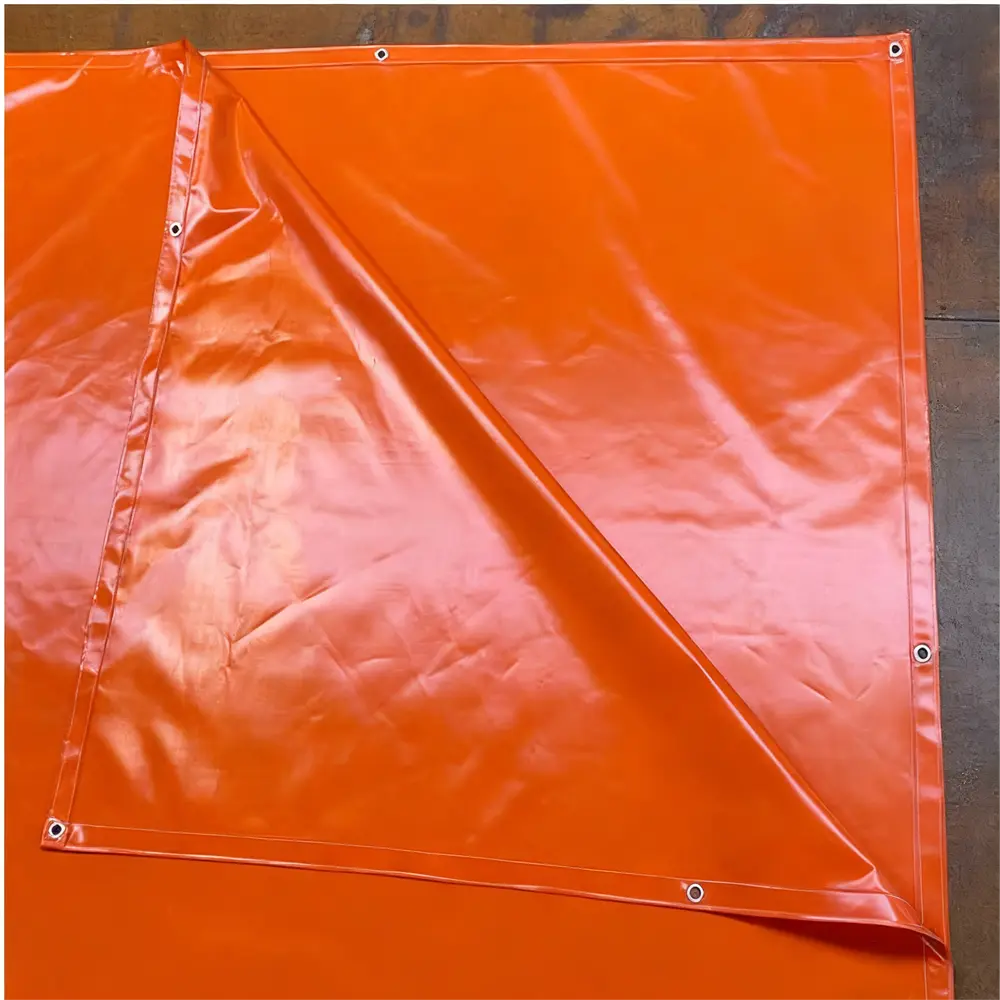
Our Cold - Weather Resistant PVC Tarps
At our company, we understand the importance of having durable PVC tarps in cold weather. That's why we offer a range of tarps that are designed to withstand low temperatures.
Our Leak Diverters Vinyl Tarps are great for cold weather applications. They're made from high - quality PVC and have a strong base fabric. These tarps are designed to divert water, which is especially important in cold weather when snow and ice can melt and cause leaks.
Our Heavy Duty PVC Tarps are another great option. They're thick and strong, making them more resistant to the cold and the stress that comes with it. Whether you're covering a construction site, a vehicle, or a storage area, these tarps can handle the cold weather.
If you're looking for a general - purpose PVC tarp that performs well in cold weather, our PVC Tarpaulin is a great choice. It has a good balance of flexibility and strength, and it's made from high - quality materials that are designed to last.
Conclusion
So, in conclusion, the durability of PVC tarps sheets in cold weather depends on a few factors. Cold temperatures can make PVC more rigid and brittle, which can lead to cracking and tearing. However, by choosing a high - quality, thick tarp and following the right installation and maintenance tips, you can ensure that your PVC tarp lasts a long time in cold weather.
If you're in the market for PVC tarps that can handle cold weather, we're here to help. We've got a wide range of options to suit your needs. Whether you need a small tarp for a DIY project or a large one for commercial use, we can provide you with the right product. Contact us to start a conversation about your PVC tarp needs and let's work together to find the perfect solution for you.
References
- "Plastic Materials: Properties and Applications" by David V. Rosato, Dominick V. Rosato, and Ronald A. Rosato
- "Polymer Science and Technology" by Charles E. Carraher Jr.