

As a supplier of truck tarps, I've often been asked whether truck tarps need to be treated with chemicals. This is a question that delves into the balance between protection, durability, and environmental and health concerns. In this blog, I'll explore the various aspects of chemical treatment for truck tarps, weighing the pros and cons to help you make an informed decision.
The Purpose of Chemical Treatment
Chemical treatment of truck tarps serves several important functions. One of the primary reasons is to enhance the tarp's resistance to environmental factors. For instance, UV-resistant chemicals can prevent the tarp from deteriorating due to prolonged exposure to sunlight. Ultraviolet rays can cause the fabric of the tarp to weaken, fade, and become brittle over time. By applying a UV-resistant treatment, the tarp can maintain its strength and integrity for a much longer period, ensuring that it continues to provide reliable protection for the cargo it covers.
Another crucial aspect is waterproofing. Chemical treatments can create a hydrophobic layer on the surface of the tarp, preventing water from seeping through. This is especially important for protecting goods from rain, snow, and moisture during transportation. A well-waterproofed tarp can safeguard sensitive cargo, such as electronics, furniture, and food products, from water damage.
In addition to UV resistance and waterproofing, chemical treatments can also provide protection against mildew and mold. These fungi thrive in damp and humid conditions, and they can quickly grow on untreated tarps, causing unpleasant odors, discoloration, and even structural damage. Chemical treatments with anti-mildew agents can inhibit the growth of these fungi, keeping the tarp clean and hygienic.
Types of Chemical Treatments
There are several types of chemical treatments commonly used for truck tarps. One of the most popular is the application of silicone-based coatings. Silicone coatings are known for their excellent waterproofing and UV-resistant properties. They form a flexible and durable barrier on the surface of the tarp, preventing water from penetrating while also reflecting UV rays. Silicone-coated tarps are often used in outdoor applications where protection against the elements is essential.
Another type of treatment is the use of fluoropolymer coatings. Fluoropolymers, such as polytetrafluoroethylene (PTFE), are highly resistant to water, oil, and stains. They also have excellent non-stick properties, making it easier to clean the tarp. Fluoropolymer-coated tarps are commonly used in industries where the cargo may come into contact with greasy or sticky substances, such as the food and automotive industries.
Insecticides and fungicides are also sometimes used in chemical treatments to protect the tarp from pests and fungi. These treatments can be particularly useful in areas where insects and mold are prevalent. However, it's important to ensure that the chemicals used are safe for both the environment and the people handling the tarp.
Advantages of Chemical Treatment
The advantages of chemically treating truck tarps are numerous. Firstly, as mentioned earlier, chemical treatment significantly extends the lifespan of the tarp. By protecting it from UV rays, water, mildew, and pests, the tarp can last much longer, reducing the need for frequent replacements. This not only saves money in the long run but also reduces waste.
Secondly, chemically treated tarps provide better protection for the cargo. Whether it's protecting against the elements or preventing damage from pests and fungi, a treated tarp can ensure that the goods arrive at their destination in good condition. This can enhance customer satisfaction and reduce the risk of costly claims due to damaged cargo.
Finally, chemically treated tarps are often easier to maintain. The non-stick properties of some coatings make it easier to clean the tarp, and the anti-mildew and anti-pest treatments can help keep the tarp looking and smelling fresh. This can save time and effort in the maintenance process.
Disadvantages of Chemical Treatment
Despite the many advantages, there are also some potential disadvantages to chemical treatment. One of the main concerns is the environmental impact. Some chemicals used in treatments can be harmful to the environment, especially if they are not properly disposed of. For example, certain pesticides and fungicides can contaminate soil and water sources, and some coatings may release volatile organic compounds (VOCs) into the air.
Another concern is the potential health risks associated with chemical treatments. Workers who handle the treated tarps may be exposed to the chemicals, which could cause skin irritation, respiratory problems, or other health issues. It's important to ensure that proper safety measures are in place when handling chemically treated tarps.
In addition, chemical treatments can add to the cost of the tarp. The cost of the chemicals, as well as the labor involved in the treatment process, can make the treated tarp more expensive than an untreated one. This may be a factor to consider, especially for budget-conscious customers.
Alternatives to Chemical Treatment
For those who are concerned about the environmental and health impacts of chemical treatment, there are some alternatives available. One option is to use natural materials for the tarp, such as canvas or hemp. These materials are biodegradable and have some natural resistance to water and mildew. However, they may not provide the same level of protection as chemically treated tarps, and they may require more frequent maintenance.
Another alternative is to use physical barriers, such as a layer of plastic sheeting or a waterproof liner, in addition to the tarp. This can provide an extra layer of protection without the need for chemical treatment. However, this approach may add to the bulk and weight of the tarp, which could affect its handling and transportation.
Conclusion
So, do truck tarps need to be treated with chemicals? The answer depends on several factors, including the specific requirements of the application, the environmental and health concerns, and the budget. Chemical treatment can provide significant benefits in terms of protection and durability, but it also comes with some potential drawbacks.
As a truck tarp supplier, I offer a range of options, including both chemically treated and untreated tarps. Our Military Vehicle Covers are designed to meet the high standards of protection required in military applications, and many of them are treated with advanced chemicals for maximum durability. Our 8x5 Cage Trailer PVC Truck Cover is a popular choice for general transportation, and it can be customized with different levels of chemical treatment depending on your needs. And our Lorry Covers, Truck Covers are available in a variety of materials and treatments to suit different budgets and requirements.
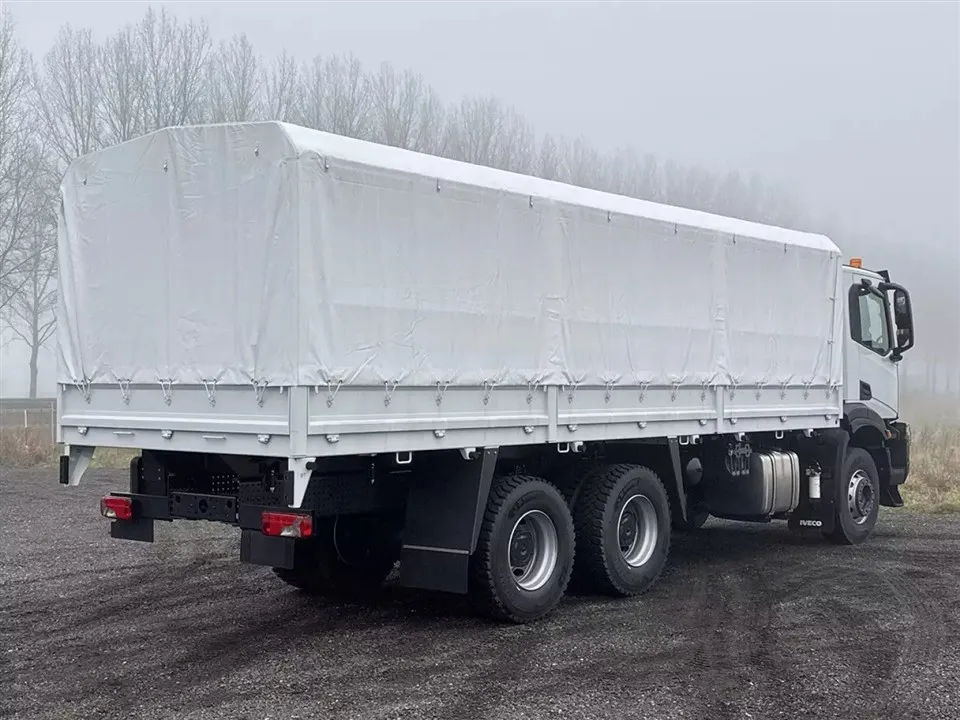

If you're unsure whether chemical treatment is right for your truck tarps, I encourage you to contact us for a consultation. Our team of experts can help you evaluate your needs and recommend the best solution for your specific situation. Whether you choose a chemically treated tarp or an alternative option, we're committed to providing you with high-quality products and excellent customer service.
References
- "Tarp Materials and Treatments" - Journal of Industrial Textiles
- "Environmental Impact of Chemical Treatments in Textiles" - Environmental Science and Technology
- "Health Risks Associated with Chemical Exposure in the Textile Industry" - Occupational and Environmental Medicine