

As a supplier of PVC tarps sheets, I often get asked about the impact of these versatile products on the temperature inside a covered area. In this blog post, I'll delve into the science behind it, exploring how PVC tarps sheets can affect temperature and what factors come into play.
Understanding PVC Tarps Sheets
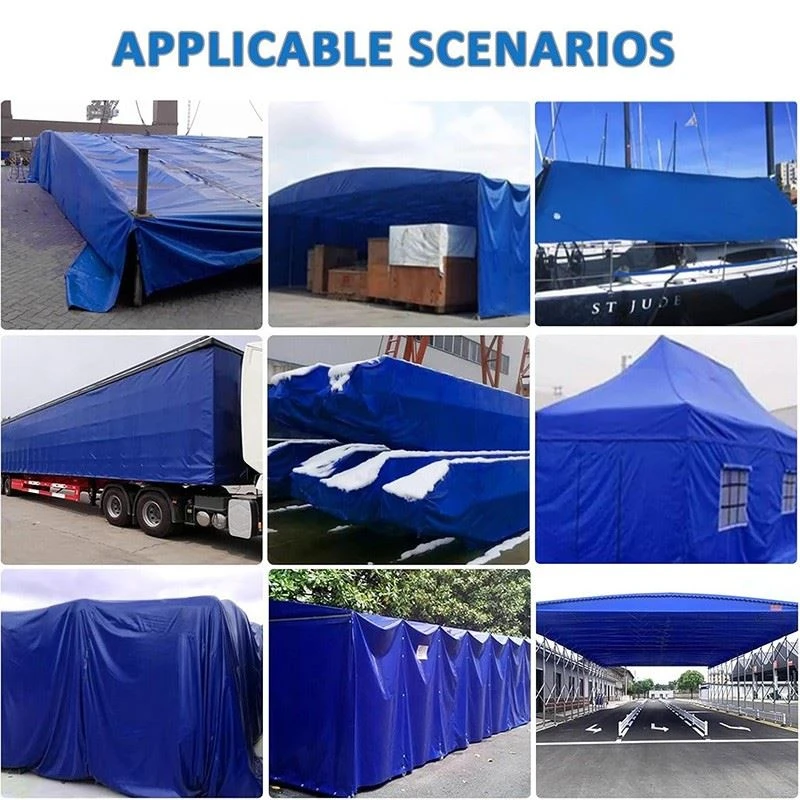
Before we discuss their impact on temperature, let's briefly understand what PVC tarps sheets are. PVC, or polyvinyl chloride, is a synthetic plastic polymer known for its durability, flexibility, and resistance to water, chemicals, and UV rays. PVC tarps sheets are made by coating a woven fabric with PVC, resulting in a strong and waterproof material. They come in various thicknesses, sizes, and colors, and are widely used in different applications, such as covering vehicles, boats, construction sites, and agricultural equipment.
Our company offers a wide range of PVC tarps sheets, including Waterproof PVC Tarps Sheet, Heavy Duty Vinyl Tarps, and PVC Tarpaulin. These products are designed to meet the diverse needs of our customers, providing reliable protection against the elements.
How PVC Tarps Sheets Affect Temperature
The impact of PVC tarps sheets on the temperature inside a covered area depends on several factors, including the material's properties, the environment, and the design of the covered area. Here's a detailed look at how these factors interact:
Insulation Properties
One of the primary ways PVC tarps sheets affect temperature is through their insulation properties. Insulation refers to the ability of a material to resist the transfer of heat. PVC tarps sheets have a certain degree of insulation, which means they can slow down the flow of heat between the inside and outside of the covered area.
The insulation performance of PVC tarps sheets is influenced by their thickness and density. Thicker and denser tarps generally provide better insulation than thinner ones. This is because a thicker layer of material has more air pockets, which act as insulators by reducing heat transfer through conduction.
In hot weather, PVC tarps sheets can help keep the inside of the covered area cooler by blocking out the sun's heat. They reflect a significant portion of the solar radiation, preventing it from entering the space. This can be particularly beneficial for protecting sensitive equipment, livestock, or stored goods from overheating.
Conversely, in cold weather, PVC tarps sheets can help retain heat inside the covered area. By reducing heat loss through conduction and radiation, they can create a warmer environment, which is useful for protecting plants in a greenhouse or keeping animals comfortable in a shelter.
Air Circulation
Another important factor that affects the temperature inside a covered area is air circulation. PVC tarps sheets can either promote or restrict air movement, depending on how they are installed.
If the tarps are installed tightly without any ventilation, they can create a stagnant environment, trapping hot air inside during the day and preventing cold air from escaping at night. This can lead to higher temperatures inside the covered area, especially in hot and humid conditions.
On the other hand, if the tarps are installed with proper ventilation, such as vents or gaps, they can allow air to circulate freely, helping to regulate the temperature. Good air circulation can prevent the buildup of heat and moisture, reducing the risk of mold, mildew, and other problems.
Color and Reflectivity
The color of PVC tarps sheets can also have an impact on the temperature inside a covered area. Light-colored tarps, such as white or silver, tend to reflect more sunlight than dark-colored ones. This means they absorb less heat, resulting in a cooler interior.
In contrast, dark-colored tarps, such as black or blue, absorb more sunlight and convert it into heat. This can cause the temperature inside the covered area to rise, especially in direct sunlight.
When choosing PVC tarps sheets, it's important to consider the climate and the intended use of the covered area. In hot climates, light-colored tarps are generally a better choice as they can help keep the interior cooler. In cold climates, dark-colored tarps may be more suitable as they can absorb more heat and help retain warmth.
Case Studies and Real-World Examples
To illustrate the impact of PVC tarps sheets on temperature, let's look at some real-world examples:
Greenhouse Application
In a greenhouse, PVC tarps sheets can play a crucial role in regulating the temperature. A study conducted by a group of agricultural researchers found that using a white PVC tarp as a covering for a greenhouse reduced the temperature inside by an average of 5-10 degrees Celsius compared to a black tarp. The white tarp reflected more sunlight, preventing the greenhouse from overheating during the day.
In addition, the researchers found that proper ventilation was essential for maintaining a stable temperature in the greenhouse. By installing vents and fans, they were able to improve air circulation and further reduce the temperature.
Construction Site Shelter
On a construction site, PVC tarps sheets are often used to provide shelter for workers and equipment. A construction company reported that using a heavy-duty vinyl tarp to cover a storage area helped protect their tools and materials from the elements. The tarp's insulation properties kept the inside of the shelter cooler during the hot summer months, preventing the tools from overheating and malfunctioning.
The company also noticed that the light-colored tarp reduced the amount of heat absorbed by the shelter, making it more comfortable for the workers to enter and exit. By providing a cooler and more comfortable working environment, the tarp helped improve productivity and reduce the risk of heat-related illnesses.

Factors to Consider When Using PVC Tarps Sheets for Temperature Control
If you're considering using PVC tarps sheets to control the temperature inside a covered area, here are some factors to keep in mind:
Climate and Location
The climate and location of the covered area are important considerations. In hot and sunny climates, light-colored and highly reflective tarps are recommended to reduce heat absorption. In cold climates, thicker and more insulated tarps may be needed to retain heat.
Size and Design of the Covered Area
The size and design of the covered area will also affect the temperature control. Larger areas may require more ventilation to ensure proper air circulation. The shape and layout of the area can also impact the airflow, so it's important to consider these factors when installing the tarps.
Intended Use of the Covered Area
The intended use of the covered area will determine the temperature requirements. For example, if the area is used to store perishable goods, a cooler temperature may be necessary to prevent spoilage. If the area is used for livestock, a comfortable temperature range needs to be maintained to ensure their well-being.
Conclusion
In conclusion, PVC tarps sheets can have a significant impact on the temperature inside a covered area. Their insulation properties, air circulation, and color all play a role in regulating the temperature. By choosing the right type of tarp, installing it properly, and providing adequate ventilation, you can effectively control the temperature and create a more comfortable and functional environment.
If you're interested in learning more about our PVC tarps sheets or have any questions about temperature control, please don't hesitate to contact us. We're here to help you find the best solution for your needs. Whether you're in the market for a Waterproof PVC Tarps Sheet, Heavy Duty Vinyl Tarps, or PVC Tarpaulin, we have the expertise and products to meet your requirements. Let's start a conversation and explore how our PVC tarps sheets can enhance your project.
References
- Agricultural Research Journal on Greenhouse Temperature Regulation
- Construction Industry Report on Tarp Usage for Temperature Control