

Are PVC tarps sheets waterproof? That's a question I get asked a lot as a PVC tarps sheet supplier. And the short answer is yes, PVC tarps are waterproof. But let's dive a bit deeper into this topic to understand why and how they work.
What is PVC?
First off, let's talk about what PVC is. PVC stands for polyvinyl chloride. It's a synthetic plastic polymer that's been around for ages. It's known for being strong, durable, and resistant to a bunch of different things like chemicals, abrasion, and of course, water.
When we're making PVC tarps, we start with a base fabric, usually made of polyester or something similar. Then we coat that fabric with PVC. This coating is what gives the tarp its waterproof properties. The PVC forms a tight, continuous layer over the fabric, preventing water from seeping through.
How do PVC tarps keep water out?
The waterproofing of PVC tarps comes down to the way the PVC coating is applied. It creates a barrier that water can't penetrate. Think of it like a raincoat. When you're out in the rain, your raincoat keeps you dry because the material doesn't let water through. The same principle applies to PVC tarps.
The PVC coating also has some other benefits. It's flexible, which means the tarp can be folded, rolled up, and moved around without cracking or breaking. This makes it easy to store and transport. And it's also resistant to UV rays, so it won't degrade quickly when it's exposed to sunlight.
Different types of PVC tarps and their waterproofing
Now, there are different types of PVC tarps out there, and they all have different levels of waterproofing. For example, Heavy Duty Vinyl Tarps are designed to be extra tough and waterproof. They're often used in industrial settings, like construction sites or for covering large equipment. These tarps have a thicker PVC coating, which makes them more resistant to water and other elements.
On the other hand, PVC Tarpaulin is a more general-purpose tarp. It's still waterproof, but it might not be as heavy-duty as the heavy-duty vinyl tarps. It's great for things like covering a boat, protecting a patio, or using as a ground cover.
And then there are Leak Diverters Vinyl Tarps. These are specifically designed to divert water away from a certain area. They're often used in roofing applications to prevent leaks. They have a special design that helps channel water to a specific location, keeping the area underneath dry.
Testing the waterproofness of PVC tarps
So, how do we know that PVC tarps are really waterproof? Well, we test them. There are a few different ways to test the waterproofness of a tarp. One common method is the hydrostatic pressure test. In this test, we apply a certain amount of water pressure to the tarp and see if any water seeps through. If the tarp can withstand the pressure without letting water through, it passes the test.

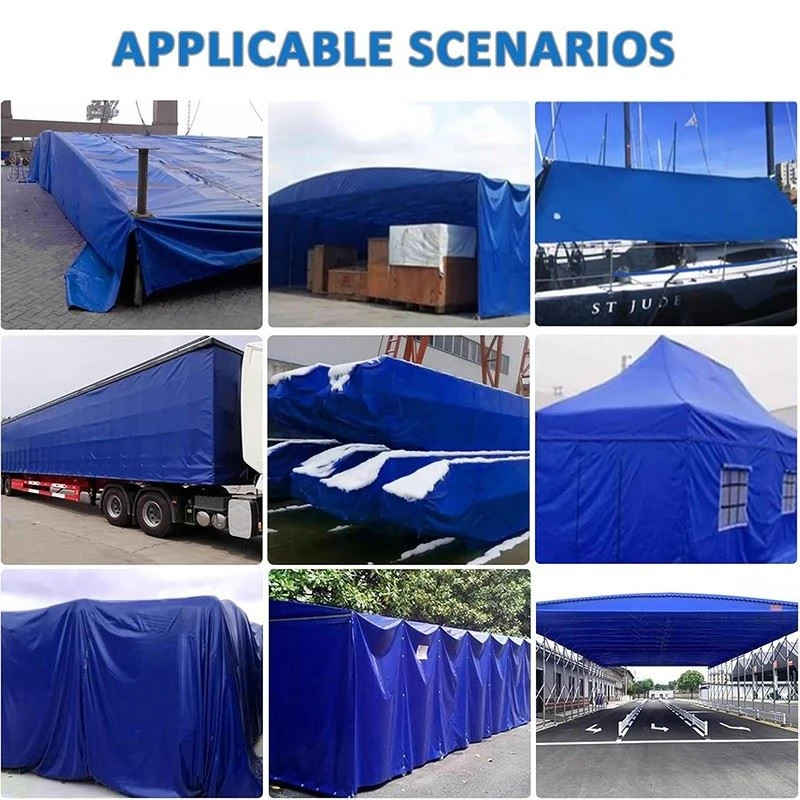
Another way to test is to simply expose the tarp to water in a real-world situation. We might set up a tarp outside during a rainstorm and see if it keeps the area underneath dry. This gives us a good idea of how the tarp will perform in actual use.
Limitations of PVC tarps
Now, while PVC tarps are waterproof, they do have some limitations. For example, if the tarp is damaged, like if it has a tear or a hole, water can get through. So it's important to take good care of your tarp and make sure it doesn't get damaged.
Also, over time, the PVC coating can start to degrade. This can happen due to exposure to extreme temperatures, chemicals, or just normal wear and tear. When the coating degrades, the tarp might become less waterproof. But if you take proper care of your tarp, it should last for a long time.
Why choose PVC tarps?
There are a lot of reasons to choose PVC tarps. First of all, they're waterproof, which is obviously a big plus. But they're also durable, flexible, and resistant to UV rays. They're available in a variety of sizes and colors, so you can find the perfect tarp for your needs.
They're also relatively inexpensive compared to some other types of tarps. And they're easy to clean. You can just hose them down with water and they'll be good as new.
Conclusion
So, to sum it up, PVC tarps are definitely waterproof. They're a great choice for a wide range of applications, from industrial use to home use. Whether you need to cover a boat, protect a construction site, or divert water from a leaky roof, there's a PVC tarp out there that's right for you.
If you're interested in purchasing PVC tarps, I'd love to talk to you. We have a wide selection of high-quality PVC tarps at competitive prices. Just reach out to us and we can discuss your specific needs and find the perfect tarp for you.
References
- ASTM International. (2023). Standard test methods for water resistance of textile fabrics.
- National Roofing Contractors Association. (2023). Best practices for using tarps in roofing applications.